



Having specialized gym flooring is an investment in safety, comfort, and durability. The right flooring helps protect the original floor, absorb impacts, and provide a stable training surface, both in a home gym and in a professional sports facility.
Not all workouts require the same type of surface. The needs of a free-weight area differ from those of a room intended for mobility, Pilates, or martial arts, while a functional training area can benefit from a surface specifically designed for dragging and movement exercises. At Fitness Tech, you will find rubber tiles, puzzle mats, artificial grass, and roll flooring to adapt each area of the space to the type of activity carried out there.
Everything you need to know about gym flooring
Gym flooring serves a much more important function than mere aesthetics. A suitable surface helps protect the original floor from the continued use of machines, benches, bars, and weight plates, while also providing a stable base for performing exercises with greater safety and comfort.
The flooring should be chosen by considering different factors: material, thickness, format, type of training, intensity of use, and installation system. A free-weight strength-training area will require a different solution from a group exercise room or an area intended for mobility exercises.
At Fitness Tech, we offer modular solutions that allow different areas to be created within the same space. Rubber tiles can be used in machine and free-weight areas, puzzle mats in floor-based activities and sports disciplines, and artificial grass in areas intended for strength, speed, dragging, and functional training exercises.
Materials: SBR and EPDM and how to choose
Among the solutions available from Fitness Tech, the main options are SBR and EPDM rubber. Both materials are available in different flooring configurations, allowing the surface’s performance and finish to be adapted to the needs of each facility.
The choice should be made based on how the surface will be used. For general gym and weight-training areas, high-density rubber solutions provide grip, durability, and impact absorption. EPDM options also allow colored finishes to be incorporated into the surface.
SBR rubber: the standard for strength-training and free-weight flooring
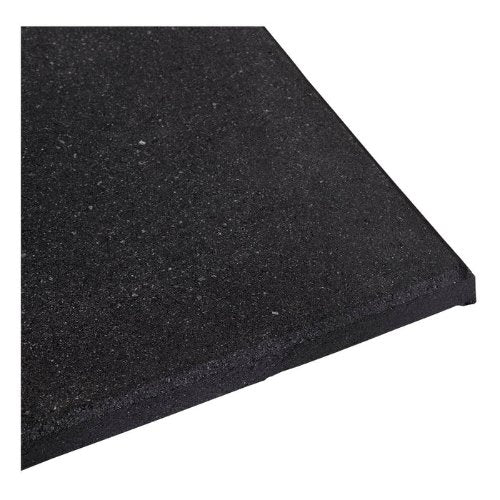
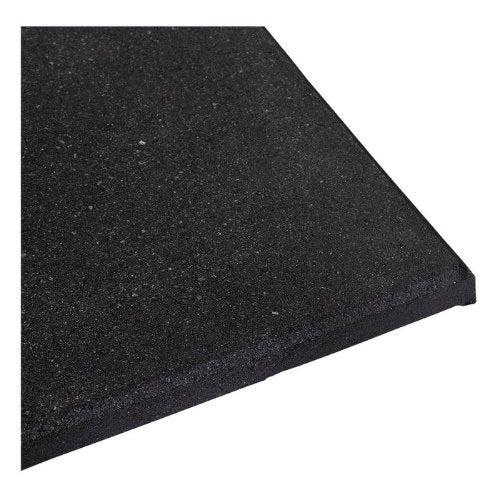
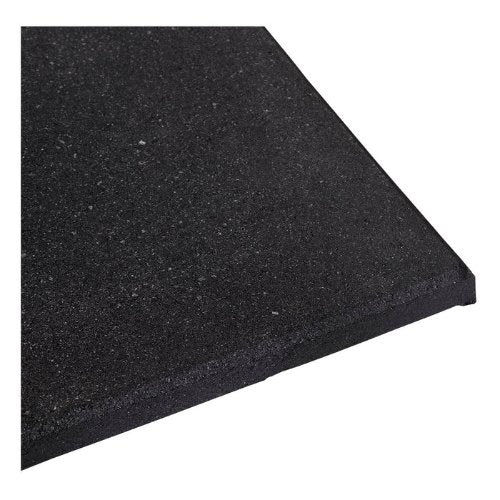
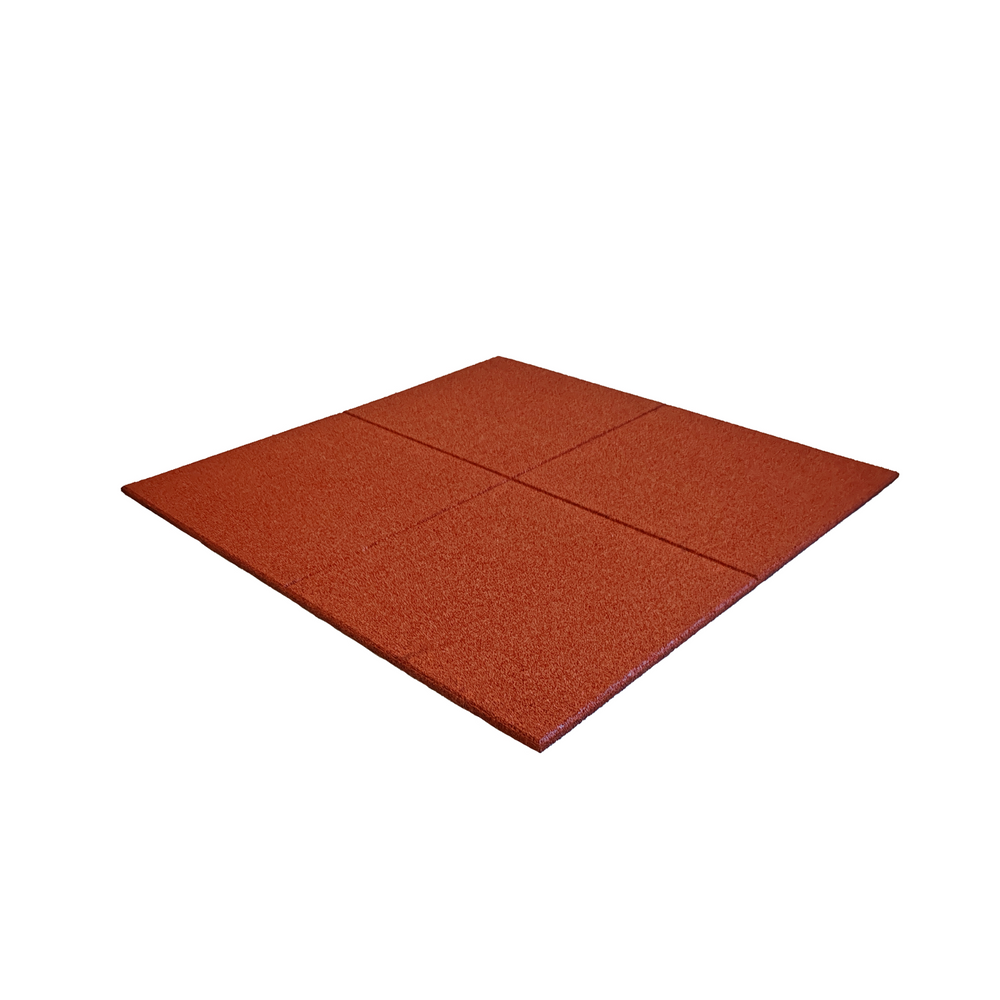
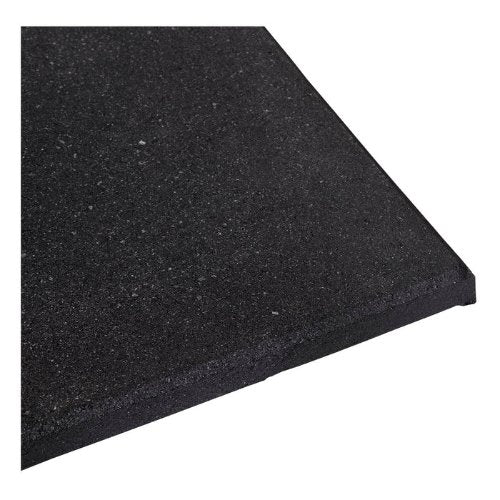
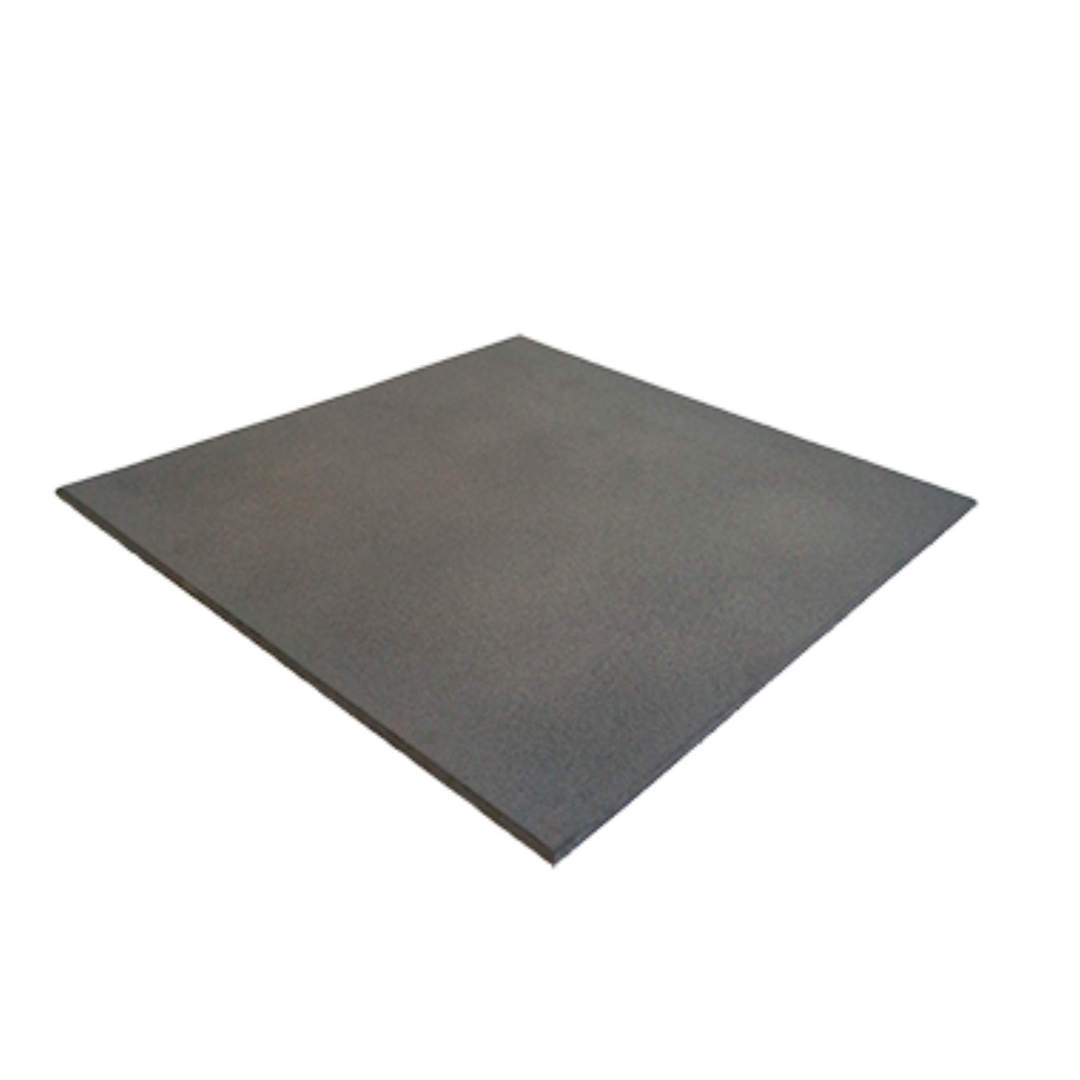
SBR rubber is used in various Fitness Tech flooring solutions. High-density rubber tiles feature a closed-cell structure that provides good adhesion, cohesion, and impact-absorption performance.
This type of flooring is particularly suitable for gyms, machine areas, racks, free weights, and functional training. Rubber tiles provide a non-slip, durable, and easy-to-clean surface, as well as resistance to moisture and decomposition.
The 100 × 100 cm rubber tiles are available in different thicknesses, including 1, 1.5, 2, 3, and 4 cm. Some products specify a material density of 980 kg/m³, so the thickness and specific characteristics should be checked for each product before selecting the flooring.
EPDM rubber: color, durability, and finishes
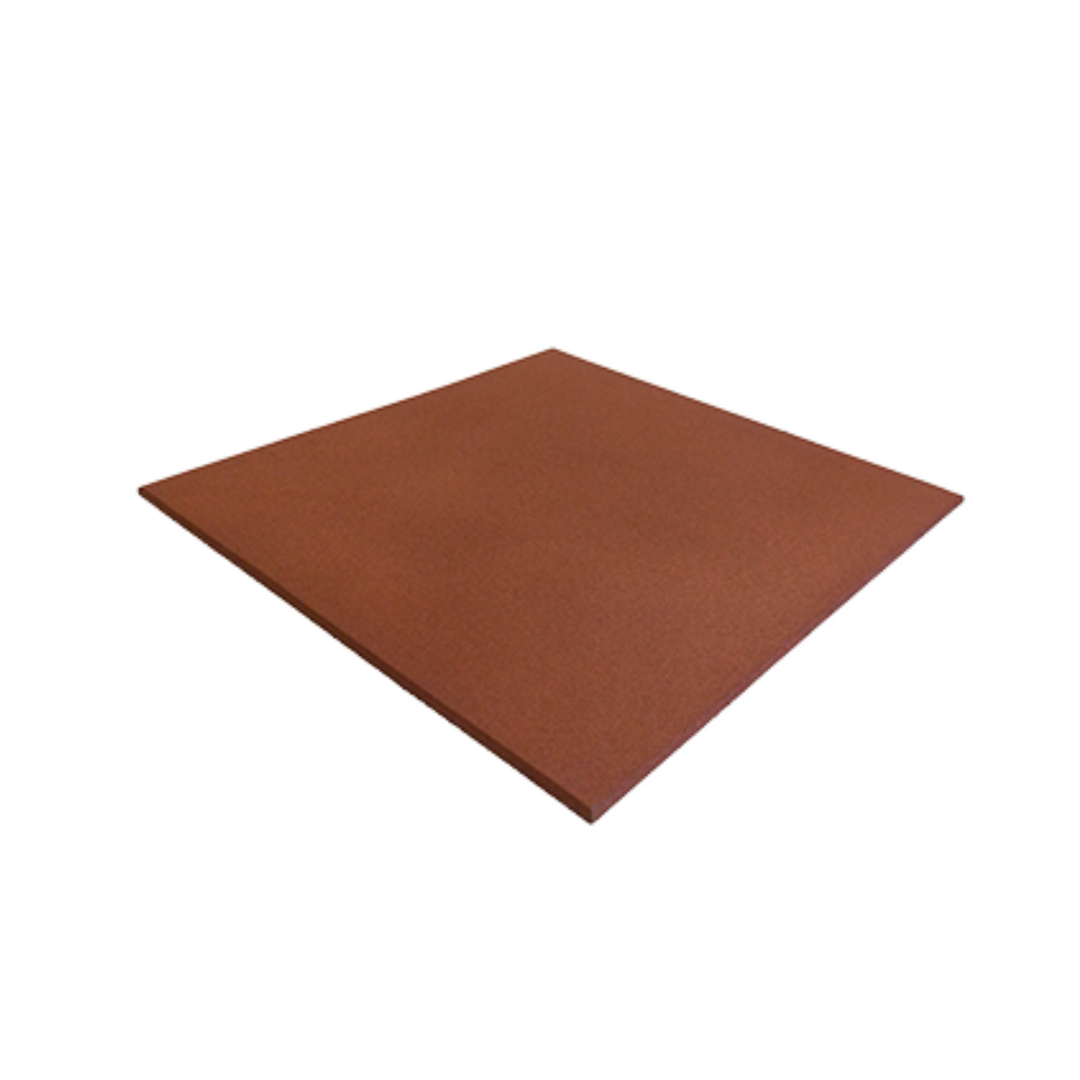
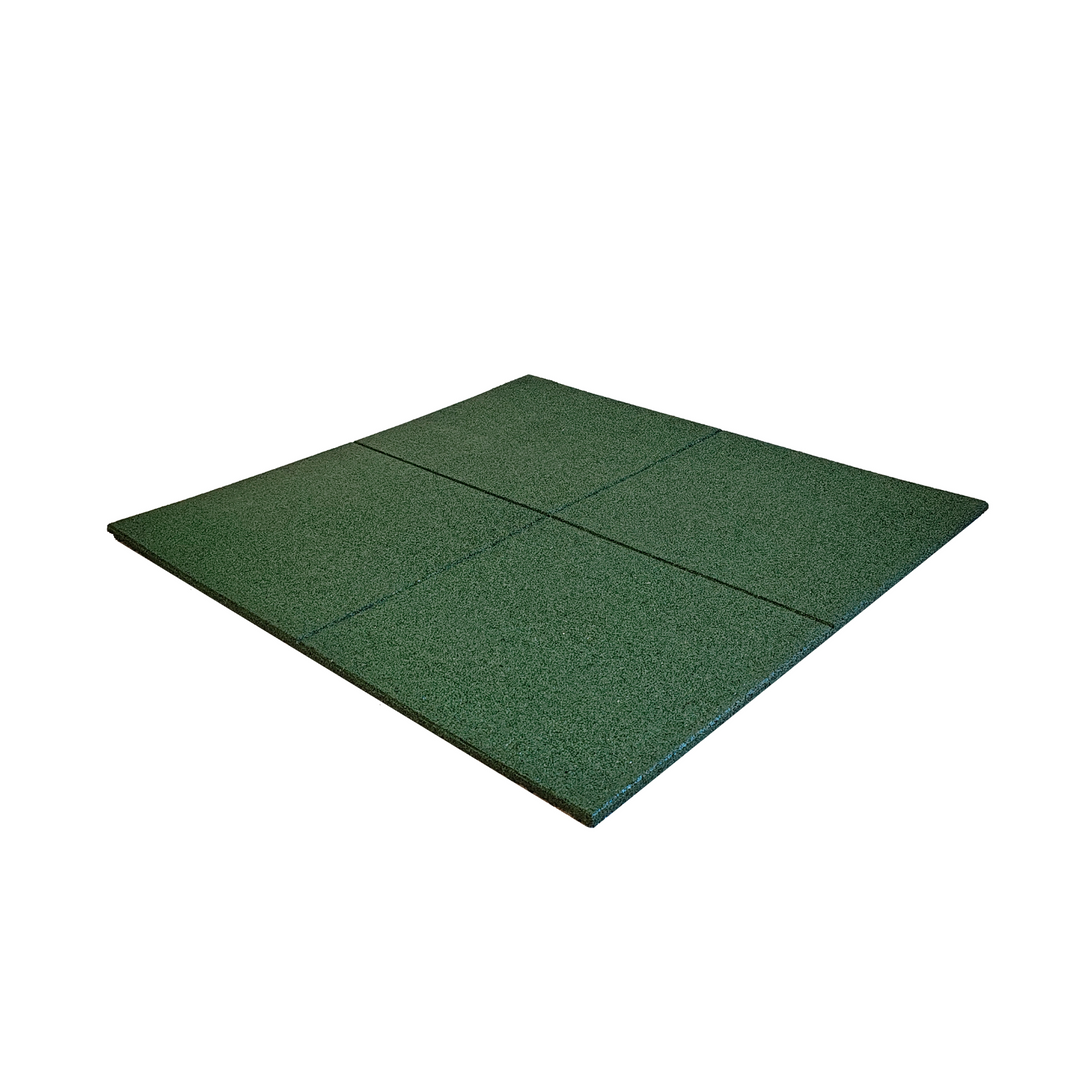
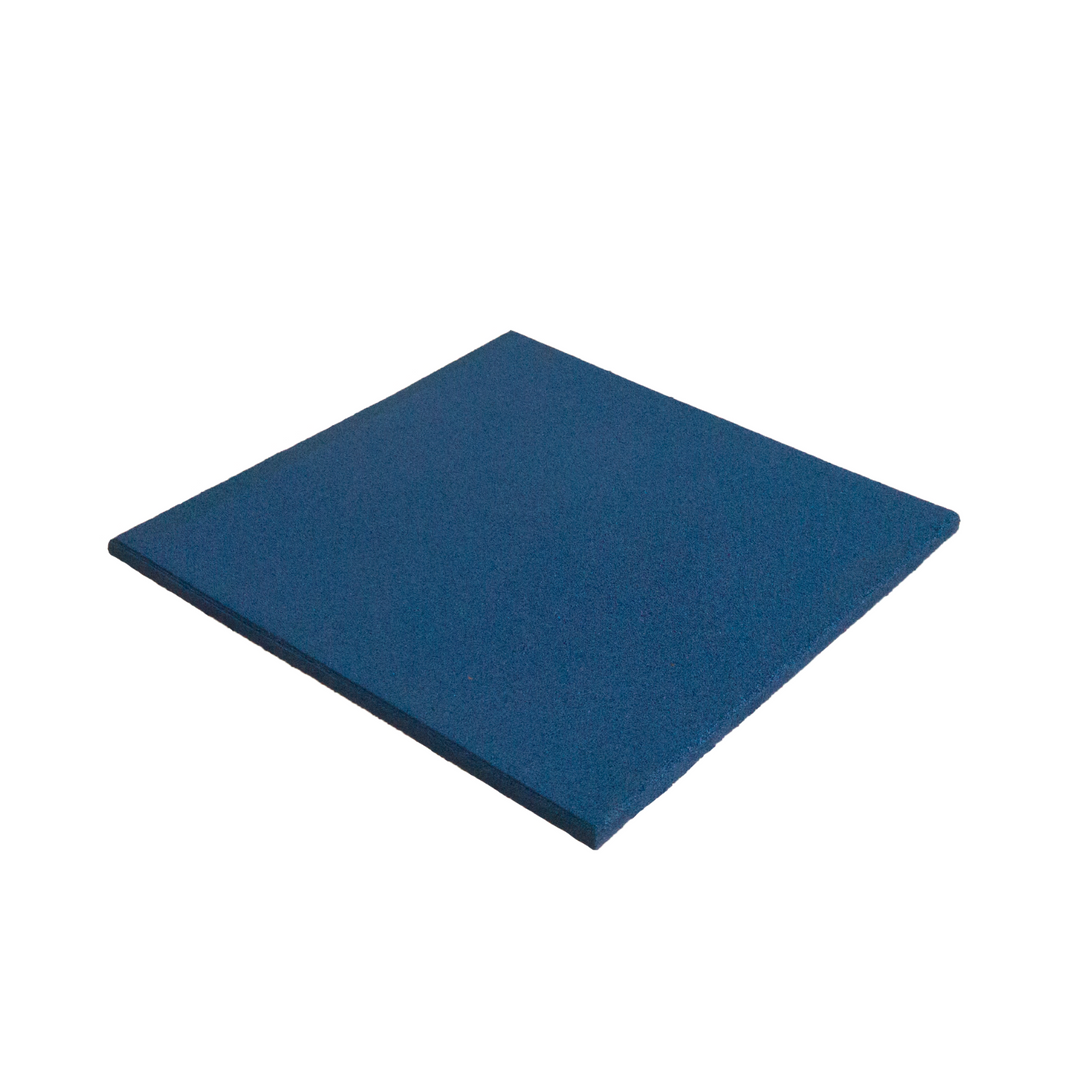
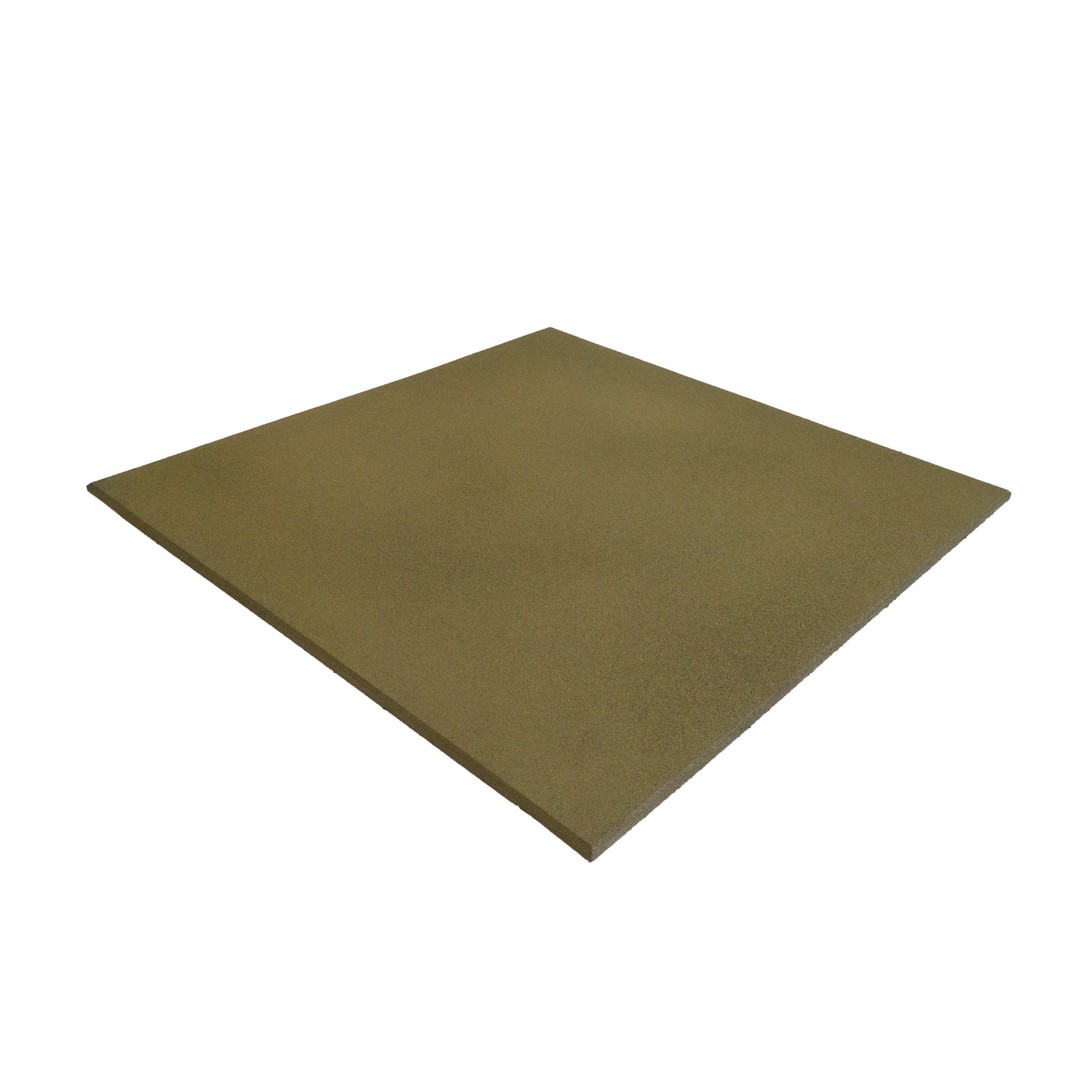
EPDM solutions make it possible to add color to the floor surface while maintaining the performance characteristics of a rubber solution. In the Fitness Tech EPDM tile, the structure combines an SBR rubber base with an EPDM top layer, creating a durable, grippy surface with a visual finish that differs from traditional black rubber.
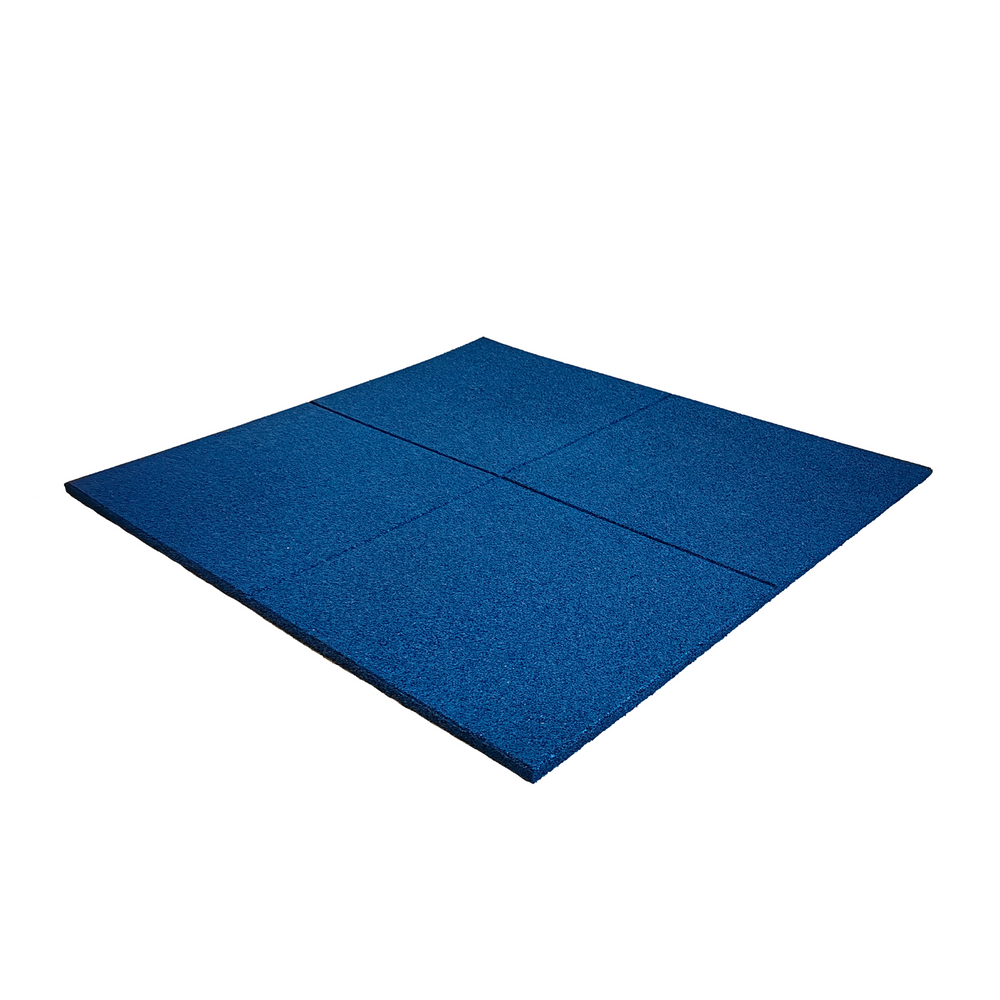
The reference consulted features a 100 × 100 cm format and a thickness of 2 cm, with a closed-cell surface, non-slip properties, and a puzzle-style interlocking system. In addition to the blue finish, the Fitness Tech flooring collection includes different color options for creating more personalized training spaces.
Available flooring types
The flooring choice should be adapted to the characteristics of each training area. At Fitness Tech, you will find different formats and solutions for creating everything from a home gym to a sports facility with dedicated areas for strength training, functional training, mobility, and instructor-led activities.
Rubber tiles
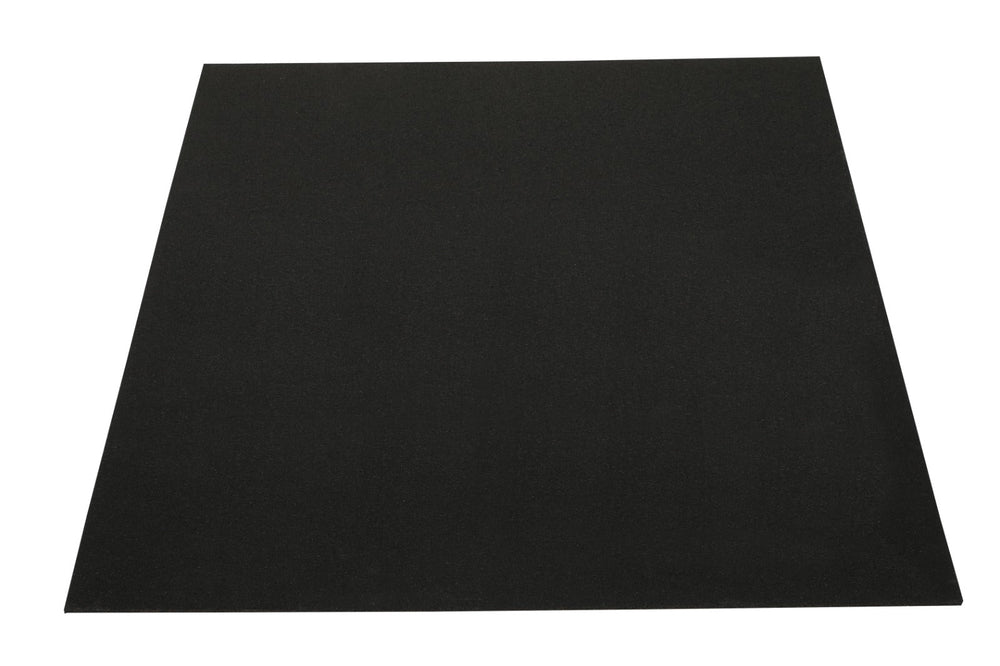
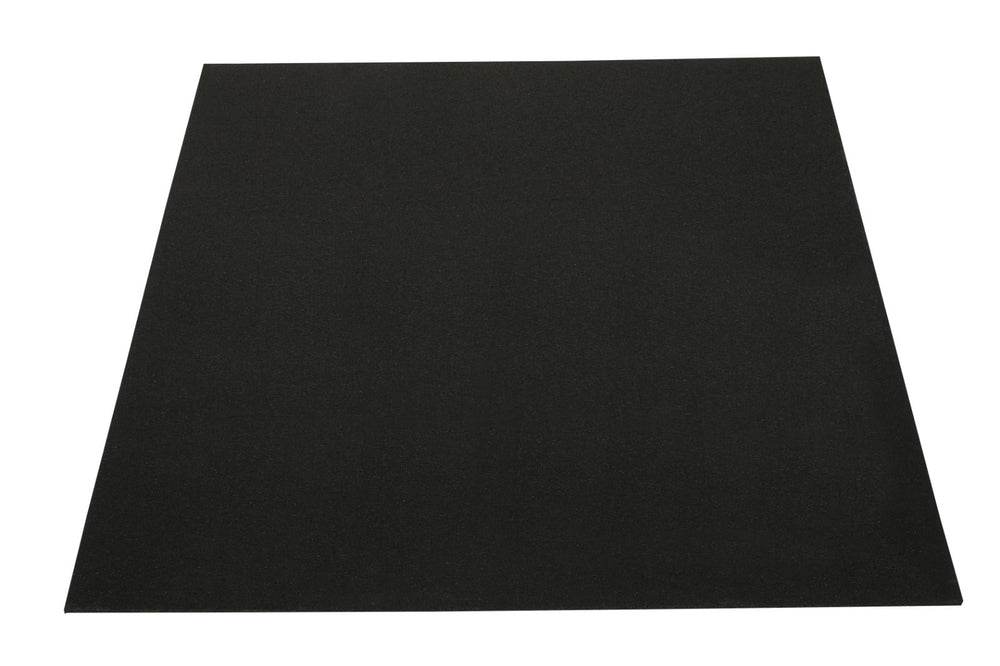
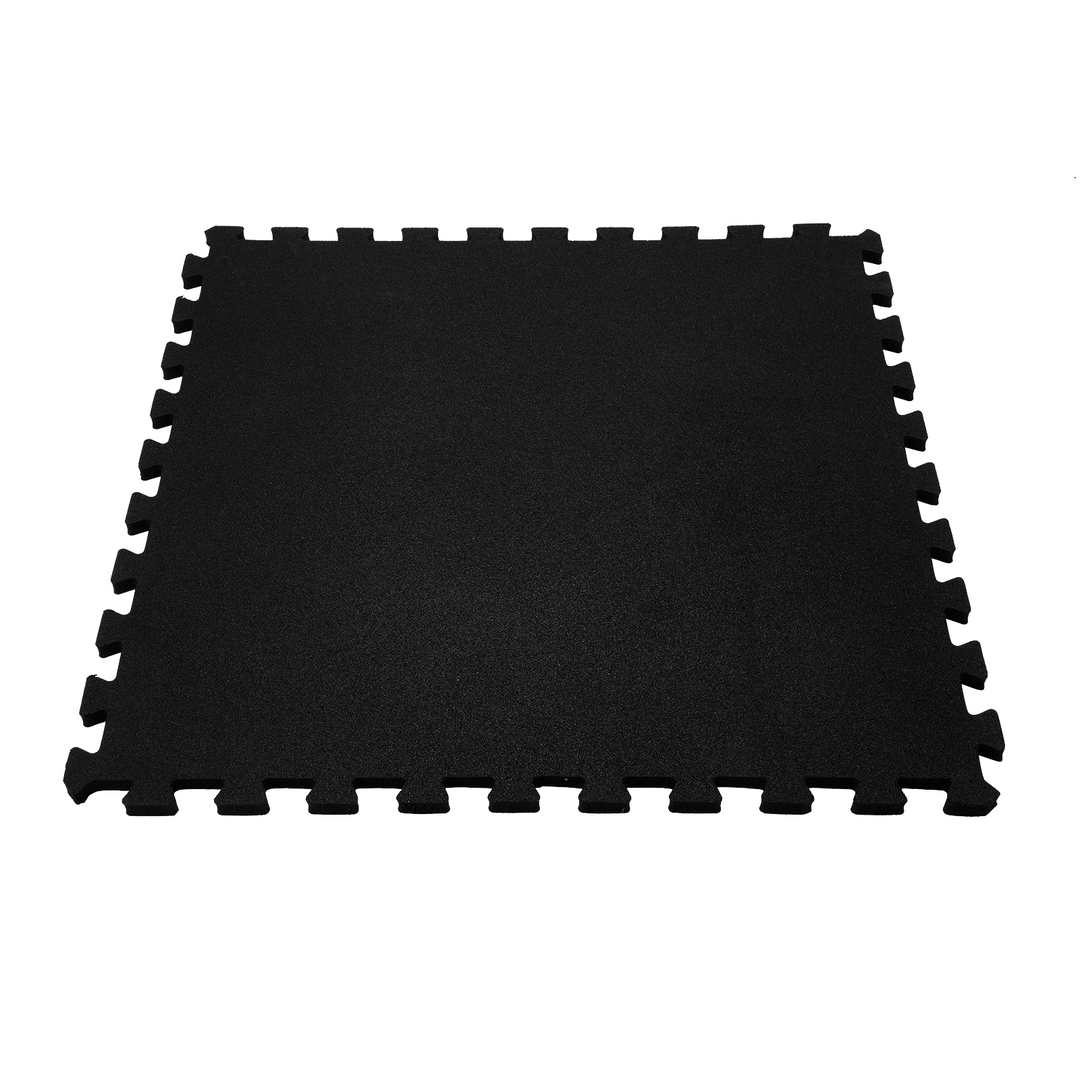
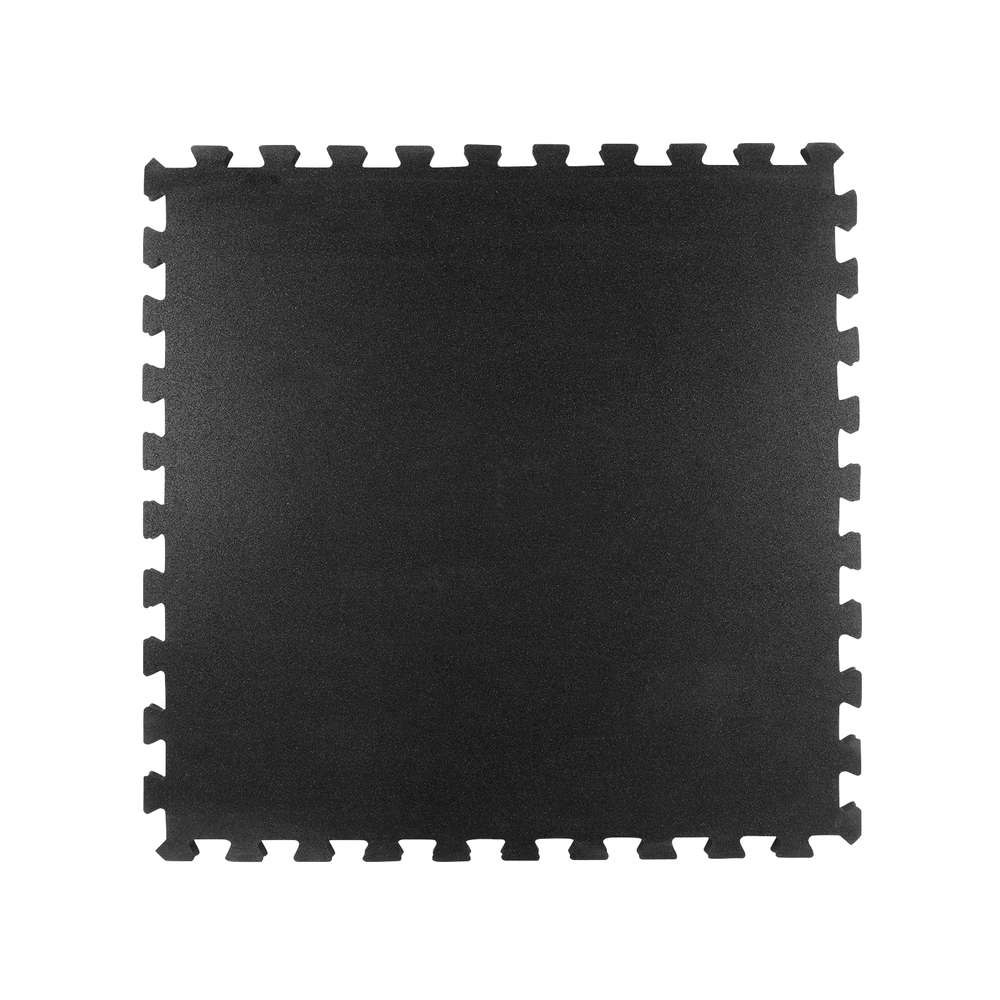
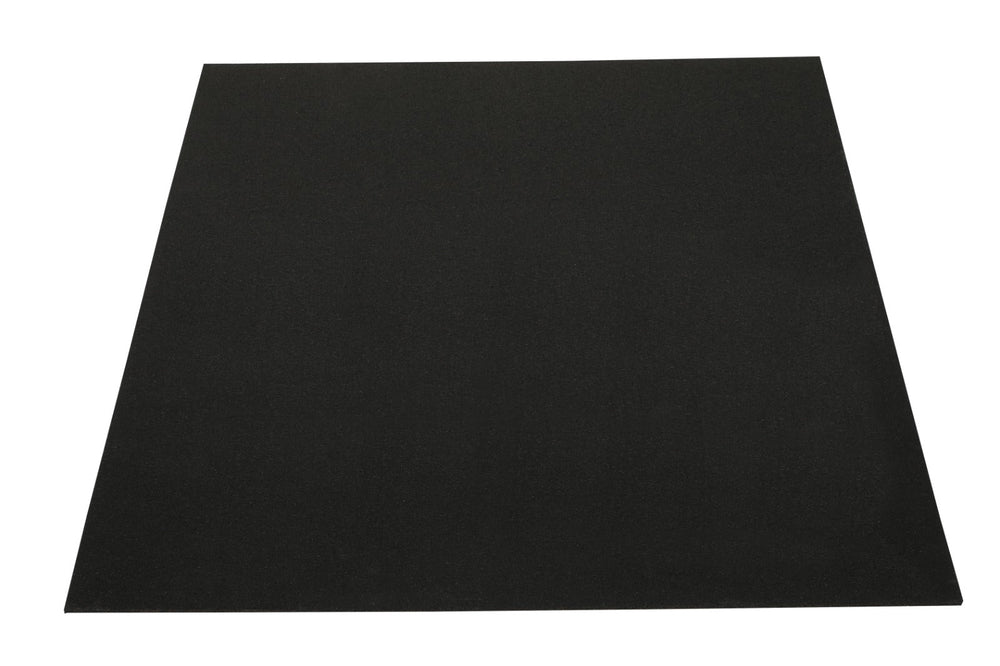
Rubber gym tiles are one of the most versatile solutions in the category. They are available in different formats, finishes, and thicknesses, including straight 100 × 100 cm tiles and models with a puzzle-style interlocking system.
High-density rubber tiles have a non-slip, grippy surface capable of absorbing impacts and noise. They are suitable for machine areas, free weights, cages, gyms, sports centers, and functional training spaces.
Current products include thicknesses of 1, 1.5, 2, 3, and 4 cm in different models and colors. Puzzle versions can be joined together to create a modular, stable surface.
Puzzle tatami mat
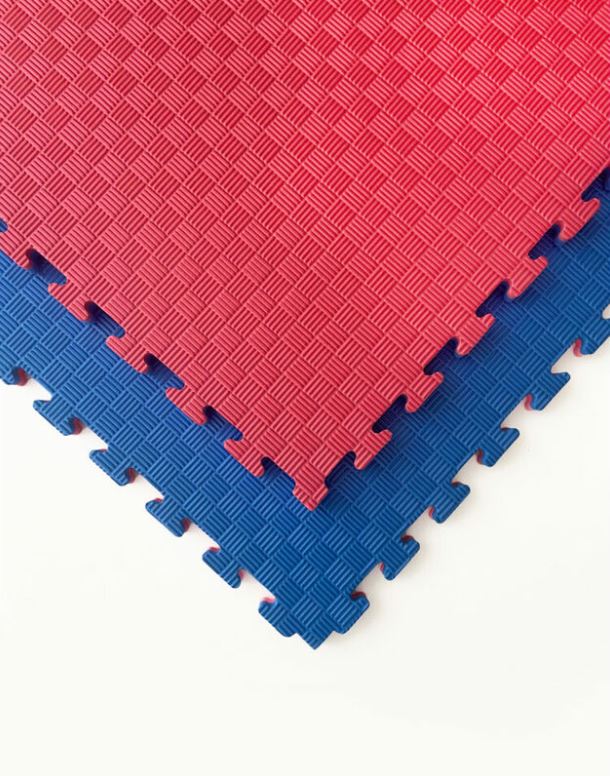
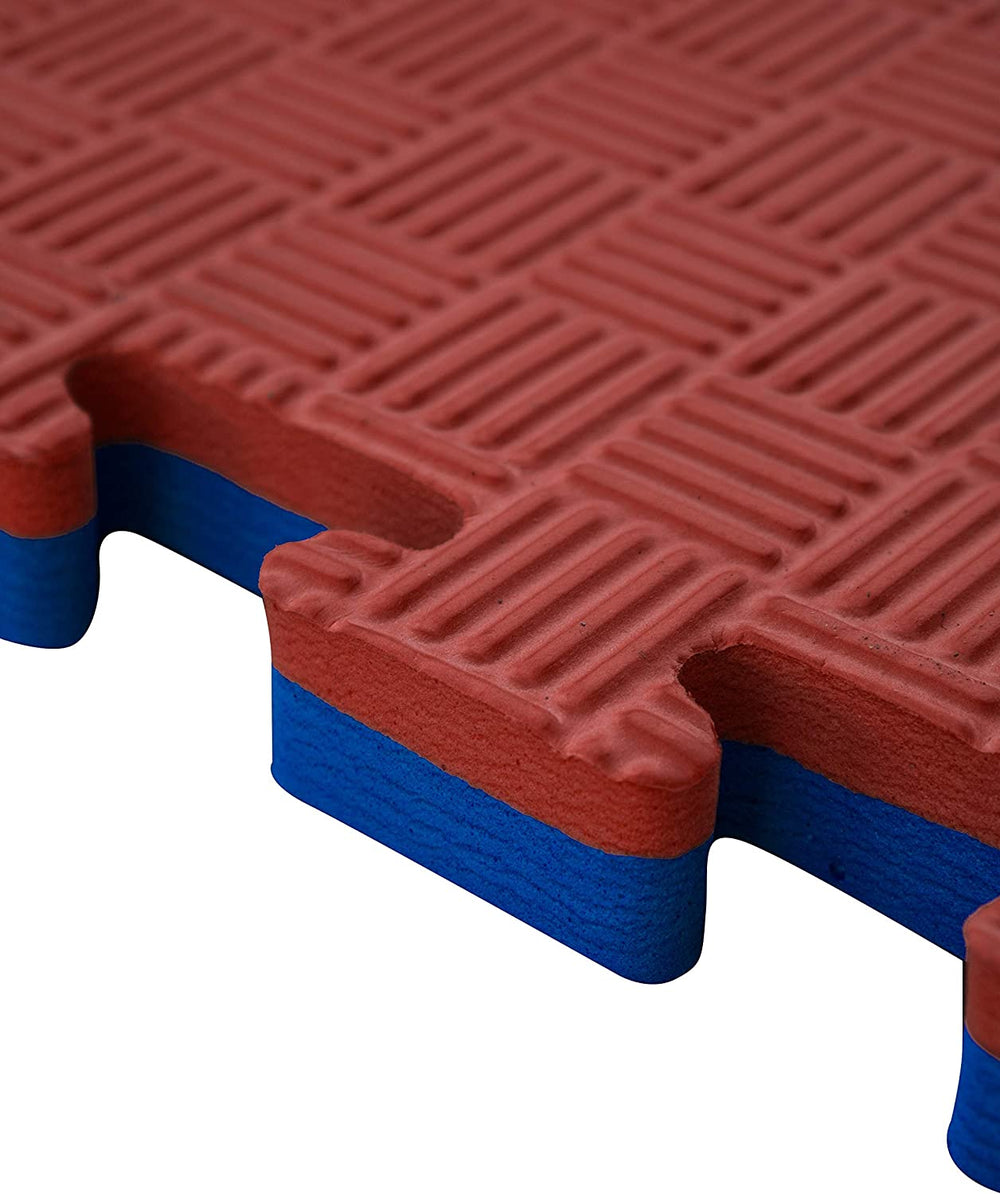
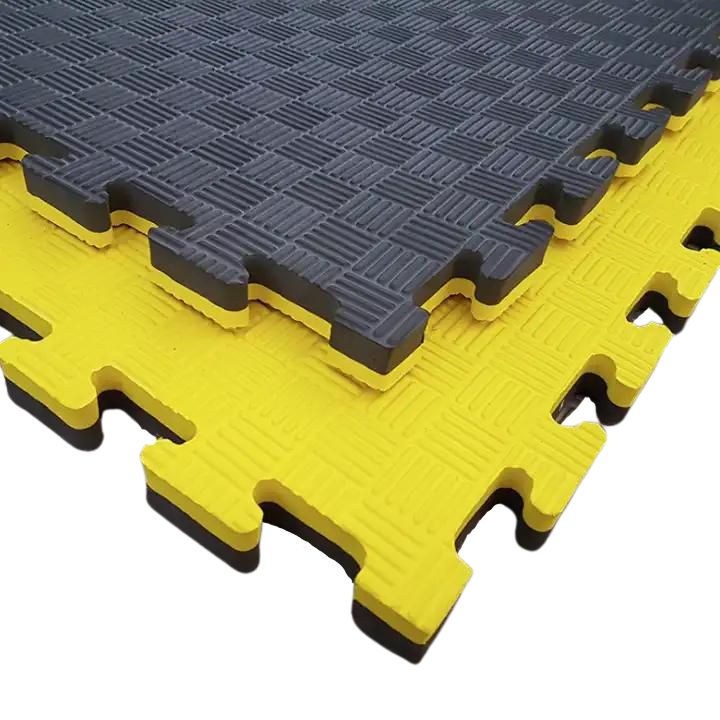
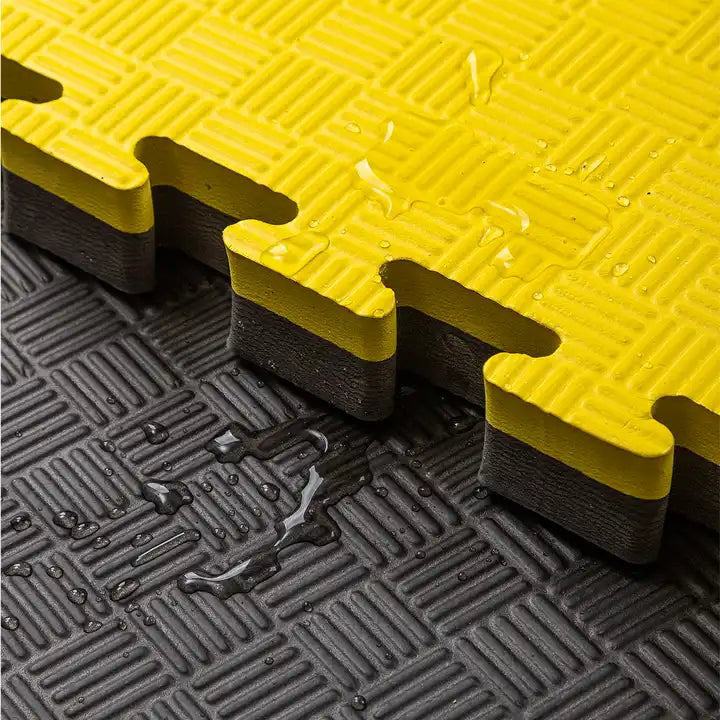
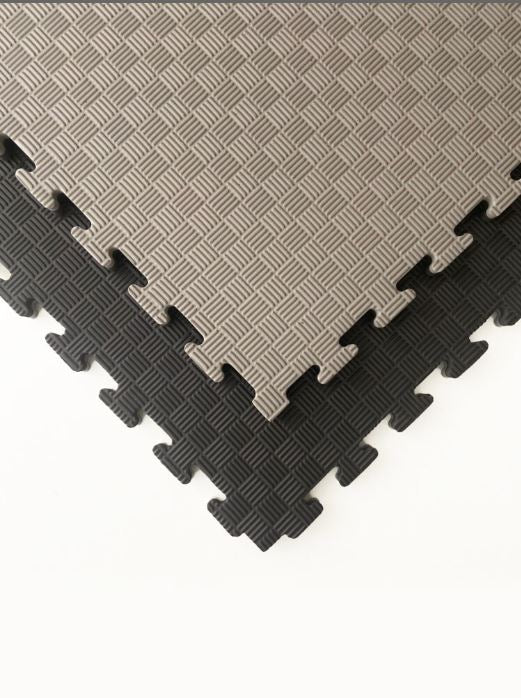
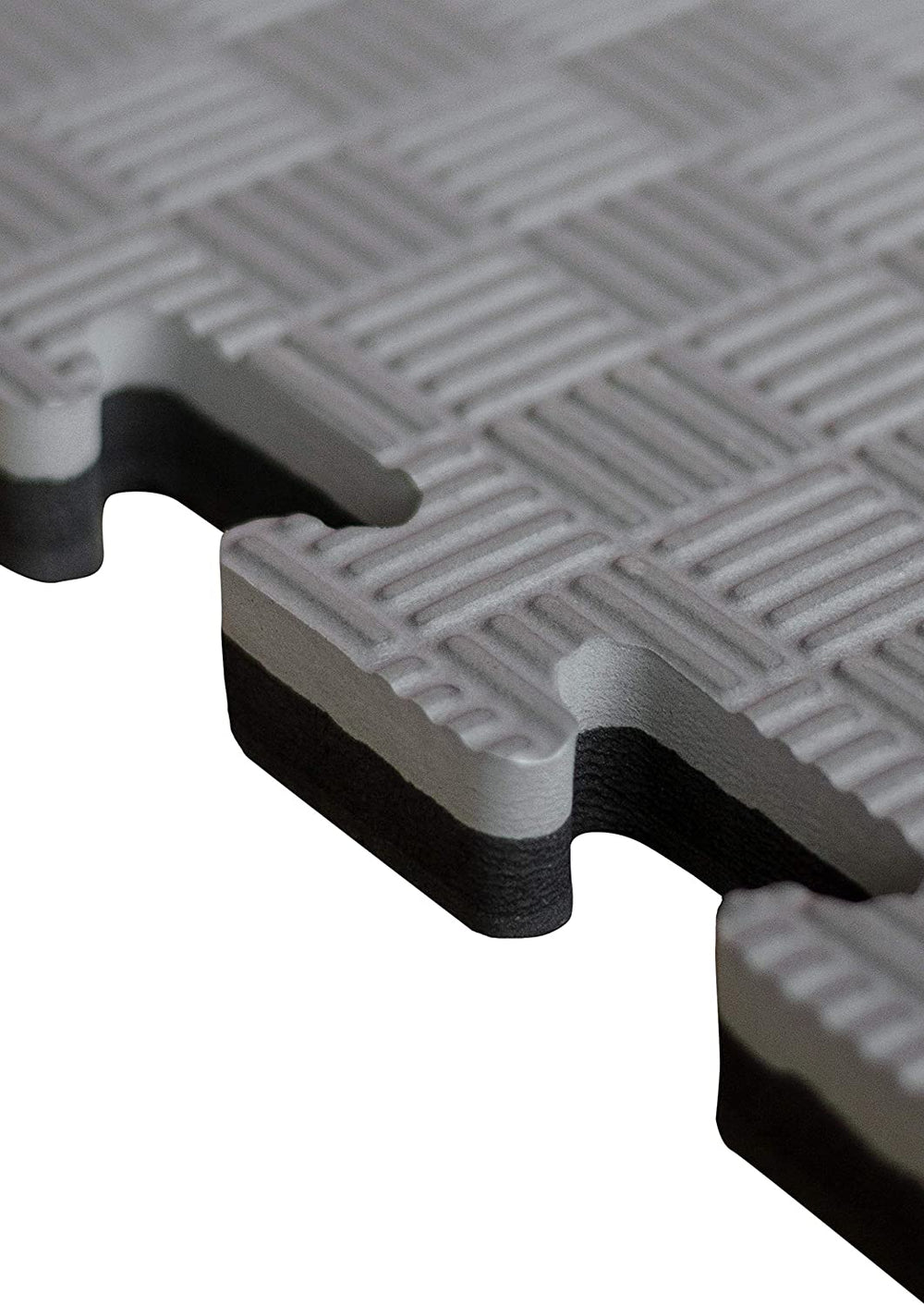
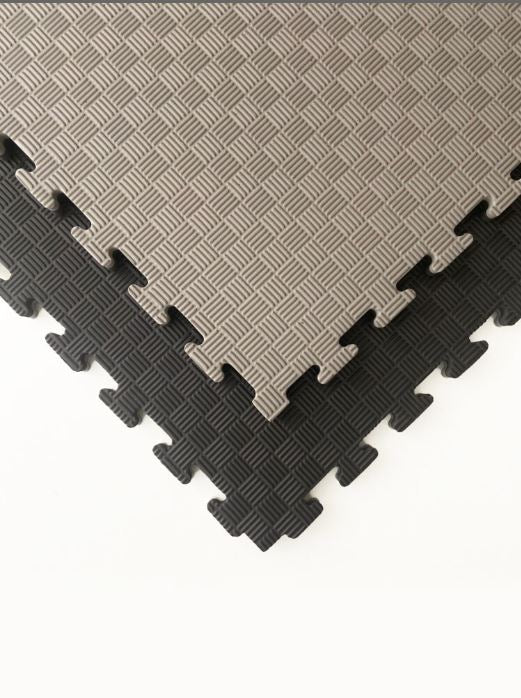
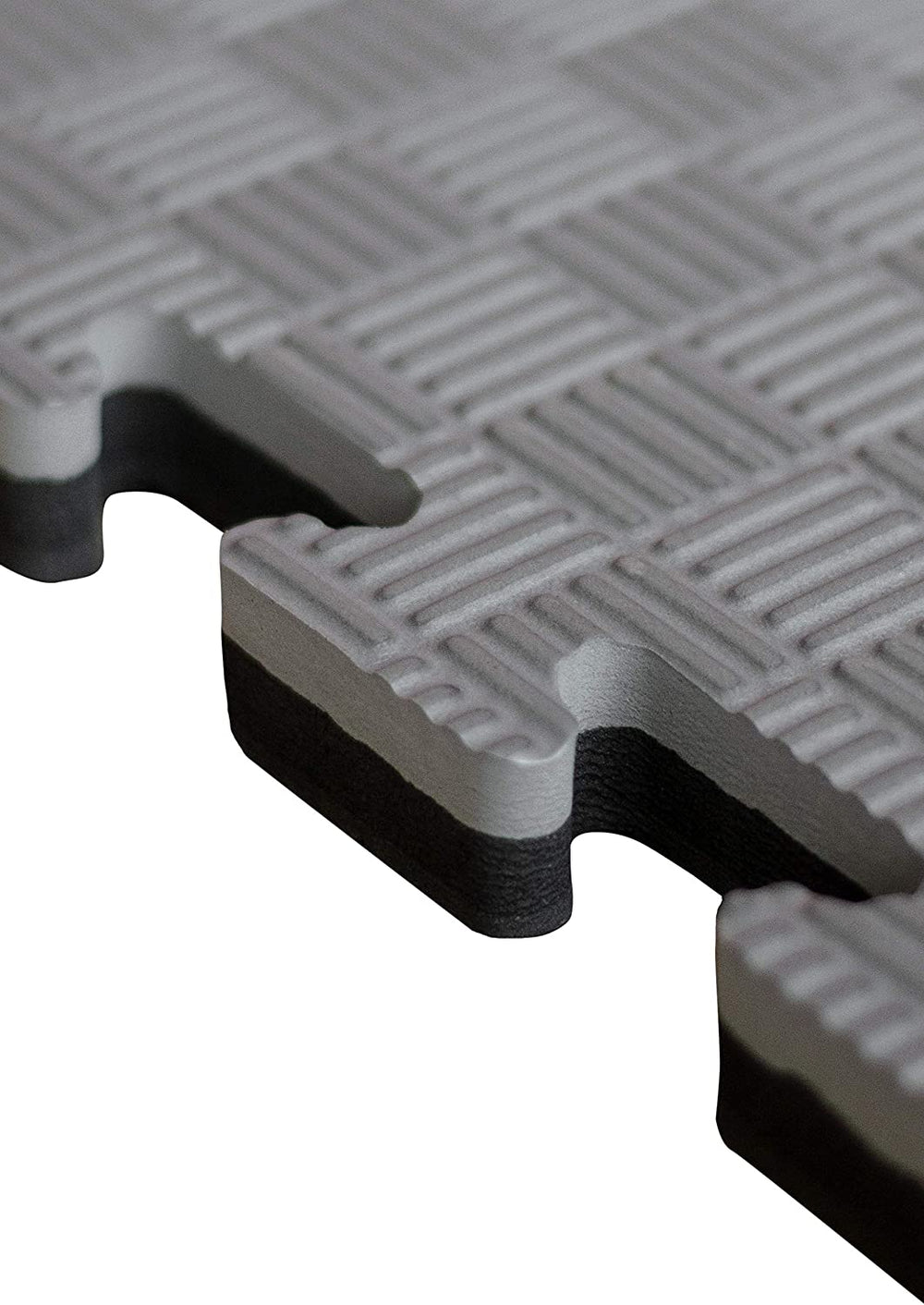
The puzzle tatami mat is a modular solution especially suitable for activities performed directly on the floor. At Fitness Tech, we offer products made from 100% recycled SBR rubber, with a rough, non-slip surface and interlocking edges.
The format of the references consulted is 100 × 100 cm, with options in 2, 3, and 4 cm thicknesses. The puzzle system allows tool-free installation and adapts the surface to different spaces, from instructor-led activity rooms to martial arts, yoga, Pilates, stretching, or children's activity areas.
The 2 cm model is intended for light and moderate training, beginner martial arts, low-impact fitness, instructor-led activities, and multipurpose spaces. The thicker options allow the tatami to be adapted for uses requiring a greater cushioning surface.
Artificial grass for functional areas
Artificial grass for gyms makes it possible to create dedicated areas for strength, speed, movement, and functional training exercises. Fitness Tech offers both Niza artificial grass and a sprint track specifically designed for strength and speed training.
The artificial grass sprint track is designed for dragging, pushing, and sprinting exercises, with a non-slip surface suitable for use with sleds and functional training accessories. It has a grass height of 2 cm, a yarn density of 72,500, and dimensions of 2 × 10 m, equivalent to 20 m².
The Niza range is available in 20 and 30 mm versions. The 20 mm model has standard dimensions of 2 × 10 m, a height of 20 mm, 18,900 stitches, and a drainage rate of 1,600–1,800 L/h/m². The 30 mm model retains the 2 × 10 m format, with a height of 30 mm, 16,800 stitches/m², and the same drainage range.
Roll flooring: the solution for large areas
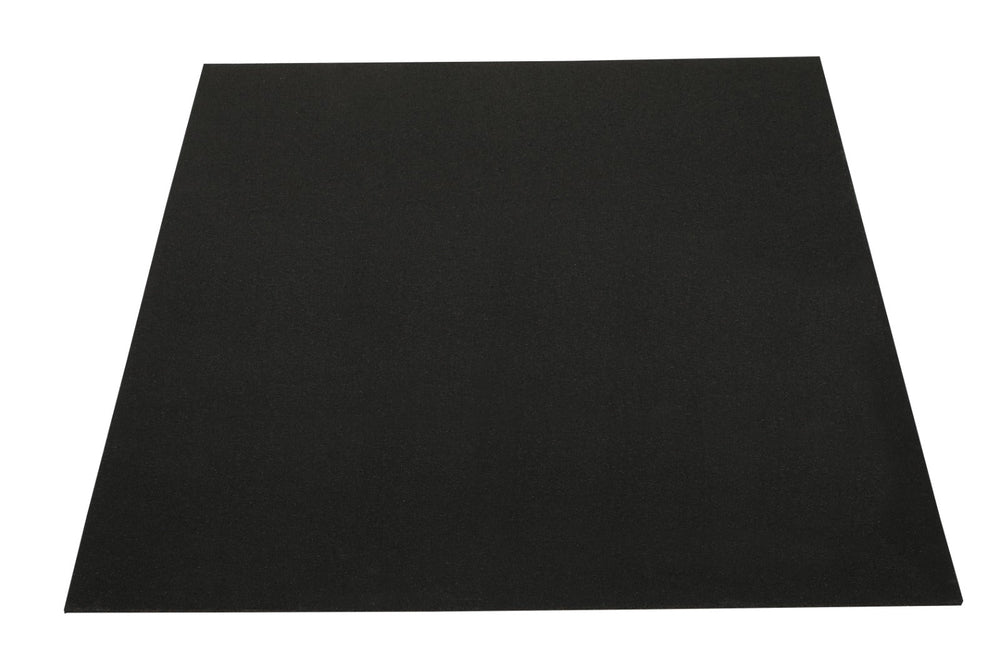
Roll rubber flooring is a practical alternative when large areas need to be covered with continuous flooring. Fitness Tech offers Energy Basic Lestare flooring, made from recycled SBR rubber and designed as a non-slip surface.
This flooring is available in different thickness and size configurations: 6 mm in a 1.25 × 10 m roll, 8 mm in 1.25 × 8 m and 10 mm in 1.25 × 6 m. Its features include shock absorption, anti-fatigue properties, resistance to intensive use and a non-slip surface.
Energy Basic flooring also offers noise-absorption properties and is indicated in its product sheet for gyms, physiotherapy centres and other spaces where a protective, durable surface is required.
Recommended thickness by type of training
The thickness of gym flooring is one of the factors that most influences the choice of flooring. The greater the training intensity and the likelihood of impacts, the more important it is to select a solution with the right characteristics.
The Fitness Tech catalogue includes rubber tiles from 1 to 4 cm, tatami mats in 2, 3 and 4 cm, and roll flooring in different thicknesses. This makes it possible to adapt the surface to different activities and create specific zones within the same space.
10–15 mm: yoga, mobility, Pilates and cardio
The thinner options can be used in areas where training does not involve major impacts or dropped weights. They are suitable for creating surfaces intended for mobility, floor exercises and certain cardio activities, always taking the specific product characteristics into account.
Within its current catalogue, Fitness Tech offers 6, 8 and 10 mm roll flooring. These solutions are made from SBR rubber and feature non-slip and shock-absorbing properties, making them suitable when a protective, durable surface is required in different spaces.
20 mm: general free weights, functional training and high-intensity training
The 20 mm thickness is a common solution within the Fitness Tech rubber tile catalogue. The 100 × 100 × 2 cm options provide a high-density, non-slip surface with impact-absorption capabilities.
This thickness is particularly suitable for free-weight areas, machines, racks, and functional training. The puzzle version also enables modular installation without the need for adhesives or glue to join the pieces together.
There are also 2 cm mats made from recycled SBR rubber, intended for light and moderate training, group classes, beginner martial arts, yoga, Pilates, and stretching.
30–40 mm: weightlifting, deadlifts, and dropping Olympic bars
When training involves heavy loads, deadlifts, or possible impacts from plates and bars, it is important to use a surface with greater thickness and shock-absorption capacity. The Fitness Tech catalog includes 3 and 4 cm rubber tiles designed to provide additional protection in these types of areas.
For situations involving particularly high impacts, drop pads can be used as a complement to the flooring. Fitness Tech offers 75 × 60 × 15 cm models and 50 × 50 × 5 cm Slim Drop Pads, designed to absorb the impact of bars and plates and protect the surface during weightlifting and strength training.
Installation guide: no construction work and no adhesive
The installation system is another aspect you should consider before choosing gym flooring. Modular solutions allow you to adapt the flooring to the dimensions of the space and, depending on the model, enable easy installation using interlocking systems.
Fitness Tech rubber puzzle tiles feature an interlocking system between pieces that facilitates installation and eliminates the need for adhesives or glue. For other products, such as certain roll flooring, the installation system may be different, and you should follow the relevant instructions for each product reference.
How to calculate the m² you need
To calculate the amount of flooring needed, you must first measure the length and width of the surface you want to cover. Multiply both measurements expressed in meters to obtain the square meters:
Length × width = area in m²
For example, if the training area is 5 meters long and 4 meters wide, you will need to cover an area of 20 m². If you are going to use 100 × 100 cm tiles, each piece covers approximately 1 m², so you will need one unit for each square meter of surface area.
For installations requiring cuts or adjustments around columns, walls, machines, or other elements, it is advisable to consider the additional material needed to complete the surface correctly.
Puzzle Interlocking System vs. Adhesive Installation
The puzzle system allows the tiles to be joined together using their interlocking edges, creating a modular surface that can be assembled without tools. Fitness Tech’s 100 × 100 × 2 cm rubber puzzle tiles specify that no adhesives or glues are required for installation.
This system is especially practical when a simple, modular installation is required. However, certain flooring types may require other fastening systems depending on their characteristics and the type of installation. For this reason, always consult the product’s specific technical sheet before carrying out the final installation.
Home Gym Flooring
A home gym needs a surface that protects the original floor and provides stability during training. The choice will depend mainly on the material you use and the activities you want to perform.
For home strength training and free-weight areas, rubber tiles provide a durable, slip-resistant surface designed to absorb impacts. Puzzle versions also make it possible to create a modular training area without permanent adhesive installation.
If the space is intended for activities such as yoga, Pilates, stretching, or floor exercises, puzzle tatami mats offer a specific solution. Fitness Tech’s 2 cm model is made from 100% recycled SBR rubber, features a textured, slip-resistant finish, and is designed for light and moderate training.
It is also possible to combine different solutions within the same home gym: rubber flooring for free weights, tatami mats for floor exercises, and artificial grass for functional training. This allows each area of the space to be adapted to the type of training performed.
Flooring for Professional Gyms and Sports Centers
Professional gyms and sports centers need surfaces capable of withstanding frequent use and different types of training. These spaces may include strength training, free weights, functional training, weightlifting, mobility, and group exercise areas.
For this reason, it is not always necessary to use the same flooring throughout the facility. Rubber tiles can be used in machine and free-weight areas, tatami can define group exercise or martial arts rooms, and artificial turf can create lanes for sprints, drags, and other functional exercises.
For facilities where bars and weight plates are used, thicker rubber tiles provide a surface designed to absorb impacts. In weightlifting and loaded training areas, drop pads can complement the flooring and provide additional protection against falling bars and weight plates.
Fitness Tech professional artificial turf also makes it possible to create specific strength, speed, and power training zones. The 20 m² sprint track is designed for dragging, pushing, and sprinting exercises and is compatible with sleds and functional training accessories.
Benefits of having quality gym flooring
Choosing the right flooring can improve both the safety and functionality of the training space. A stable surface suited to the type of exercise allows users to train with greater confidence and helps protect both the facilities and the equipment.
- Protection of the original floor: helps protect the surface on which it is installed from the continued use of equipment and weights
- Impact absorption: rubber solutions are designed to absorb impacts and cushion contact with the floor
- Non-slip surface: provides greater grip and stability during training
- Equipment protection: the flooring creates a protective surface for machines, bars, weight plates, dumbbells, and other accessories
- Durability: the materials used in this category are designed to withstand different levels of training intensity and frequency
- Easy maintenance: the tiles and surfaces in this category are designed to simplify routine cleaning tasks
- Modular configuration: puzzle systems allow the surface to be adapted to different spaces and needs
Another important advantage is the possibility of combining different types of flooring. The same facility can use rubber in the free-weight area, artificial turf in the functional training area, and tatami in a mobility or group exercise room.